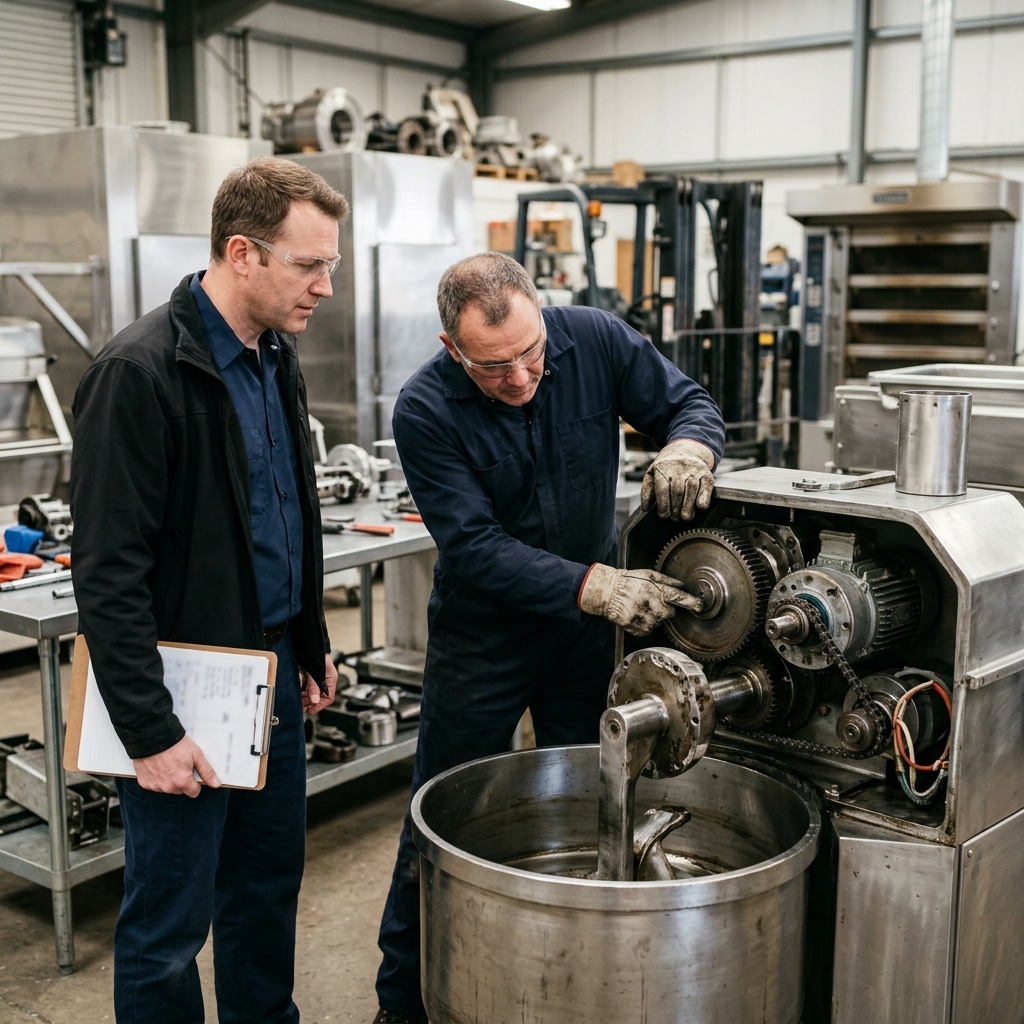
When we plan to buy used or refurbished bakery equipment, checking the warranty coverage on used refurbished bakery equipment helps protect a purchase from surprise repair costs. Warranty terms vary widely between sellers, and confirming details early gives a bakery team confidence before signing an agreement. This guide walks through six practical questions every bakery owner and operations leader can ask before finalizing a purchase.
For a used bakery equipment warranty or a refurbished bakery equipment warranty, understanding the scope of protection matters as much as confirming a warranty exists. Sellers describe coverage differently, and clear answers help buyers compare offers side by side. The sections below answer each question in order.
What Exactly Is Covered?
We recommend asking the seller to specify, component by component, what the warranty coverage on used refurbished bakery equipment protects. A written list is far more useful than a general summary, and it should name motors, belts, controls, heating elements, seals, and any machine-specific electronics or sensors. Buyers considering refurbished machinery can also review the refurbishing benefits to better understand what refurbishment may involve before evaluating the warranty.
Getting these details in writing gives buyers a clear picture of what to expect. A seller who provides this list readily is showing confidence in the offer. This step alone can prevent confusion later and sets a clear baseline for every other question on this list.
Are Parts and Labor Both Included?
Some used bakery equipment warranties cover replacement parts and leave labor as a separate cost, which can turn a covered repair into an added expense. We suggest confirming three details up front: whether parts are covered at full or prorated value, how long labor stays included, and whether travel or diagnostic fees apply separately.
This distinction matters most on larger equipment, where labor represents a meaningful share of the total repair cost even when parts stay protected. Reviewing potential maintenance costs can also help buyers understand the expenses that may remain after warranty coverage is applied. Clarity here helps a bakery budget accurately for any future service need.
What Exclusions Should You Review?
Every refurbished bakery equipment warranty has exclusions, and reviewing them closely is a smart step before purchase. Common categories include wear items such as belts, cups, gaskets, and filters that degrade with normal use, along with damage from improper installation, voltage issues, or unauthorized modifications. Cosmetic issues and prior conditions disclosed at the time of sale also tend to fall into this category.
For equipment that has been in service for years, buyers may also want to understand how to maintain legacy equipment over time. Reading exclusions with the same attention given to coverage gives buyers a fuller picture. A warranty that sounds comprehensive on paper can still leave key components outside its protection.
When Does Coverage Start and End?
We recommend confirming the exact trigger date for coverage, since delivery, installation, and first use can differ by a week or two and matter if a problem appears early. It helps to ask if the clock resets or extends when a covered repair takes place, and if terms differ for parts compared with labor.
For refurbished equipment specifically, buyers should ask whether the warranty period reflects the refurbishment date or another reference point. Confirming this detail keeps expectations aligned from day one, and it is one of the two places this article uses the word whether.
Who Handles Service During the Warranty Period?
Finding out who performs warranty service is a useful early step, whether that means the seller directly, the original manufacturer, or an outside technician network. Buyers also benefit from confirming whether they can use their own qualified service provider without affecting coverage. This choice shapes both response time and how much control a bakery keeps over its own service records.
Bakeries already working with a provider for warranty coverage on used refurbished bakery equipment and ongoing service benefit from confirming this relationship can continue smoothly. Professional repair services can also provide ongoing support when equipment requires attention during or after the warranty period. Our team can help walk through these terms before a purchase closes.
What Documentation Should You Get Before Purchase?
Before finalizing a purchase, buyers should request full written warranty terms, any prior service or repair history, confirmation of the original manufacture date compared with the refurbishment date, and contact information for filing claims. Securing this paperwork ahead of time gives buyers leverage if a warranty claim ever needs review.
A documented maintenance history can provide useful context when evaluating the condition of used equipment. Regular maintenance service records may also help buyers identify how consistently the equipment has been cared for.
This step is also a good moment to review sourcing quality more broadly. Buyers researching depanners for sale for the first time often find documentation gaps and part-quality shortcuts go hand in hand, and the same applies when comparing inferior parts marketed as equivalent to original components.
Warranty terms are one part of protecting a used or refurbished equipment purchase, and ongoing service support carries equal weight. A replacement protocol for wear components and steady repair services keep a full production line running smoothly while one station gets attention. Buyers comparing warranty coverage on used refurbished bakery equipment and wanting a second opinion on the terms offered can reach our team before purchase.
Understanding warranty coverage on used refurbished bakery equipment early makes every later step easier, from parts and labor questions to documentation requests. Bakeries that ask these six questions upfront tend to move forward with confidence and fewer surprises. Reliable repair services round out the protection a good warranty starts.
FAQs
Does a longer warranty period always mean better coverage?
A longer term with narrow exclusions can offer less real protection than a shorter term that fully covers parts, labor, and common failure points. Comparing scope alongside duration gives a clearer picture. This is one reason a detailed written list matters more than the number of months alone.
Is refurbished equipment warranty the same as a new equipment warranty?
Refurbished bakery equipment warranties are usually shorter and more limited in scope compared with new equipment manufacturer warranties. Coverage details vary significantly by seller. Reviewing both side by side helps buyers set realistic expectations.
Can buyers use their own technician for warranty repairs?
This depends on the seller’s terms, and some warranties require repairs to go through an approved provider. Others allow independent service to continue coverage. Confirming this detail before purchase keeps future service options open.
What happens if a part fails just after the warranty expires?
This situation falls outside standard warranty coverage on used refurbished bakery equipment, which is why documenting the exact start and end dates matters. Some sellers offer extended service plans for this scenario. Asking about these options during the sale gives buyers more flexibility later.
Should buyers ask for service history before buying used equipment?
Prior service records help buyers understand how equipment has performed over time. These records can reveal recurring issues a warranty may address. Requesting this history is a simple step that adds real value to the buying process.
Are cosmetic issues typically included under a bakery equipment warranty?
Most warranties cover functional and mechanical performance. Confirming this distinction upfront helps buyers set the right expectations if appearance matters. A quick conversation with the seller usually clears this up.
What is the difference between parts coverage and labor coverage?
Parts coverage means replacement components arrive at no or reduced cost, while labor coverage means installation gets included. A warranty can include one and leave out the other, so verifying both separately protects a buyer’s budget. This is one of the six questions worth resolving early.
Why does the refurbishment date matter for warranty coverage?
The refurbishment date often sets the actual start of coverage, separate from the equipment’s original manufacture date. Confirming this reference point keeps the warranty timeline accurate. It also helps buyers plan ahead for when coverage will end.
What should buyers request before signing a purchase agreement?
A buyer’s request list should include full written warranty terms, service history, and clear contact information for filing claims. Having this paperwork ready before closing gives buyers a stronger footing later. It also builds a smoother relationship with the seller from the start.
When evaluating replacement components, buyers can also review information about depanner cups and how component choices can affect ongoing equipment performance. For operations purchasing refurbished machinery, understanding cup selection can provide another useful reference when reviewing parts related to future service needs.